
The $500 AI Mistake
Most SMEs make it. Here's how to avoid it.

There's a pattern we see with nearly every SME that tries to adopt AI. It starts with excitement. It ends with abandoned subscriptions. And in between, there's a $500 lesson most businesses learn the hard way.
This article breaks down exactly why this happens and what to do instead. No jargon. No hype. Just the truth about what actually works.
It Starts With Pressure
You know the feeling. Every day, your feed is full of it.
The pressure is real. AI is changing things. But pressure leads to poor decisions. And the most common poor decision is what happens next.
So You Subscribe
You see a demo. It looks impressive. The pricing seems reasonable. You sign up. Then you find another tool. And another.
$182 per month. It doesn't feel like much at the time. Each tool promises something different. Each one seems like it could be "the one" that transforms your business.
3 Months Later
Here's what actually happens. The tools sit unused. The dashboards go dark. The subscriptions keep charging.
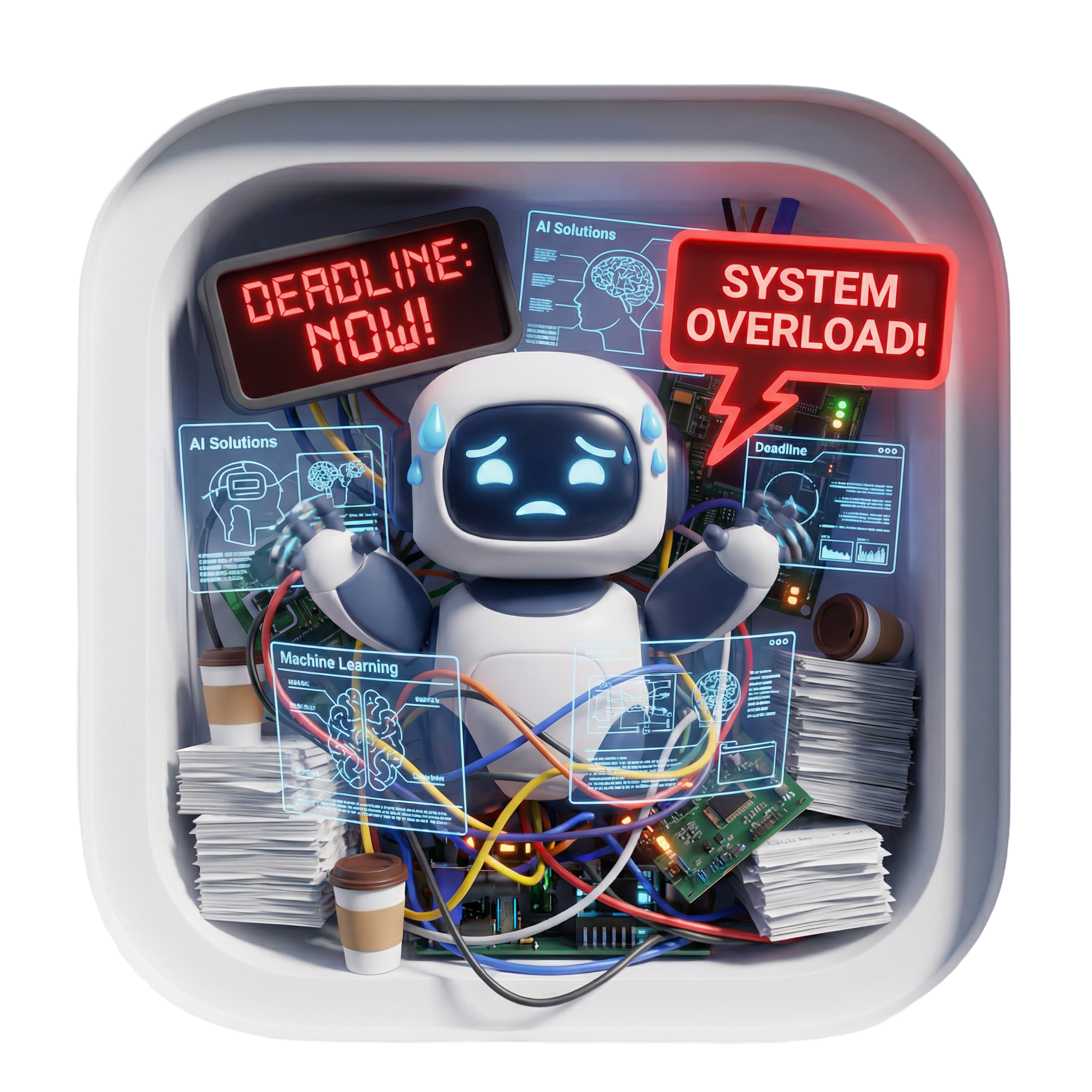
This isn't unusual. It's the norm. Studies show that most AI tool subscriptions go unused within 90 days.
It's More Than Money
The wasted subscription fees hurt. But that's not the worst part. The real damage is what happens to your belief about AI itself.
Wrong Order vs Right Order
Here's why it happens. Most businesses approach AI backwards. They start with tools and try to find problems to solve. This is like buying a hammer and then looking for nails.
The problem-first approach works because it grounds every decision in reality. You're not guessing what might be useful. You're solving something that actually matters to your business.
But there's a critical step in the middle that most people skip: document your knowledge. This is where the real value lies.
Why Documentation Changes Everything
Let's talk about why a knowledge base matters from first principles. Not because it's trendy. Because it fundamentally changes what AI can do for you.
AI Has a Knowledge Problem
Every AI tool you use has a fundamental limitation: it doesn't know your business. ChatGPT knows the internet. It doesn't know your pricing structure, your customer FAQ, your product specifications, or how you prefer to handle refunds.
This is why generic AI tools fail for business use. They give generic answers. When a customer asks about your specific return policy, the AI either makes something up or gives a vague response. Neither is acceptable.
What a Knowledge Base Actually Does
A knowledge base is simply a collection of documents that contain what your business knows. But "simple" doesn't mean "trivial." Here's what happens when you have one:
-
AI Gets Context Instead of guessing, AI tools can reference your actual policies, products, and procedures. Answers become accurate and specific.
-
Consistency Across Tools When you switch AI tools (and you will), your knowledge comes with you. No retraining. No starting over.
-
Institutional Memory Staff changes don't mean knowledge loss. Everything your business knows is documented and accessible.
-
Compounding Value Every document you add makes every AI tool more useful. The investment pays dividends across all applications.
Why Markdown Specifically
You might wonder why we specify markdown files rather than Word documents, PDFs, or a wiki. The answer comes down to one principle: platform independence.
What is Markdown?
Markdown is plain text with simple formatting. A heading is just # Heading. Bold text is **bold**. That's it.
Because it's plain text, any AI tool can read it directly. No conversion. No compatibility issues. No lock-in.
Here's what happens with different formats:
| Format | Platform Lock-in | AI Compatibility |
|---|---|---|
| Word (.docx) | Microsoft ecosystem | Requires conversion |
| Notion | Notion only | Needs integration |
| Google Docs | Google ecosystem | API access needed |
| Markdown (.md) | None | Direct, universal |
When your knowledge is in markdown, you own it completely. You can move it anywhere. Any AI tool can read it. You're never locked into a vendor's ecosystem.
Build a Knowledge Base
Here's what a practical business knowledge base looks like. Nothing fancy. Just organized text files containing what your business knows.
How Knowledge Flows to AI
Once you have documented knowledge, here's how it connects to AI tools:
The markdown files become the single source of truth. Update a price in one file, and every AI tool that references it has the correct information. No syncing. No duplicate data. No inconsistencies.
The Compound Effect
Here's what most people miss: knowledge documentation compounds. Every file you add makes every future AI application more powerful.
Start with a customer FAQ. Now your chatbot can answer questions accurately. Add your pricing guide. Now it can quote prices correctly. Add your product specifications. Now it can make recommendations.
The first few files feel like work. By the tenth file, you have a business brain that powers everything.
Where to Start
You don't need to document everything. Start with what gets asked most often. Here's the priority order:
-
Customer FAQ The questions your team answers repeatedly. Every business has them. Write down the answers once.
-
Product/Service Details What you sell, how it works, what's included. The information customers need to make decisions.
-
Pricing and Terms Your pricing structure, payment terms, refund policies. Things that need to be accurate every time.
-
How You Work Your process, timelines, what customers can expect. Sets correct expectations from the start.
Start with one file. The customer FAQ is usually the highest impact. Write it in plain language. Save it as a .md file. That's it. You've started your knowledge base.
Then before you subscribe to any AI tool, you'll have something to give it. The tool will actually work because it has your knowledge to work with.

Start Documenting Today
Before buying any AI tool
Want professional help building your AI knowledge base?
We help SMEs structure their business knowledge so AI tools actually work. No subscriptions until your foundation is solid.
Book a Discovery Call